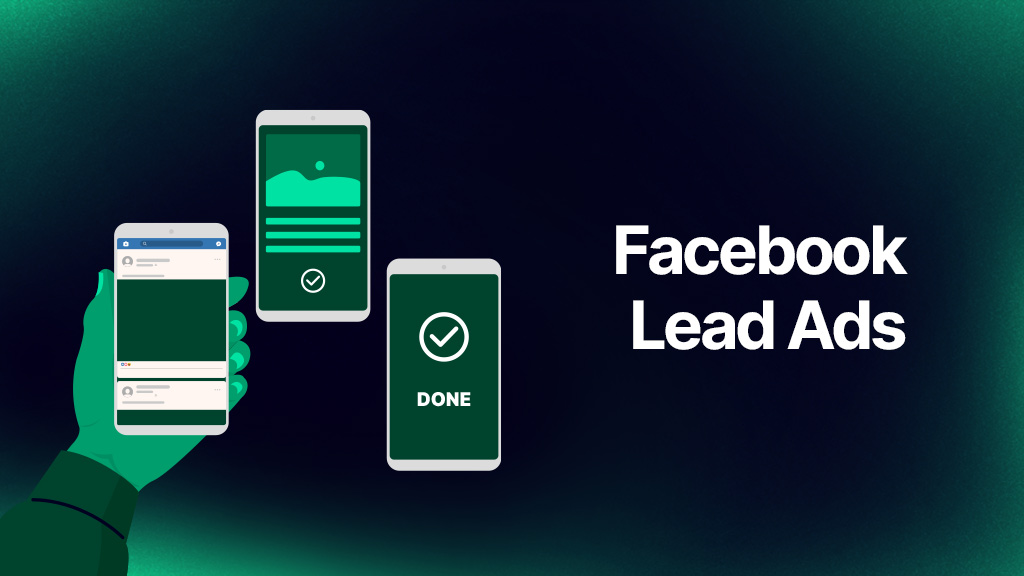
Facebook Lead Ads prospects often ignore calls because they do not recognise the number, cannot remember submitting the form, or are not ready to speak when a sales representative contacts them.
Facebook Lead Ads prospects often ignore calls because they do not recognise the number, cannot remember submitting the form, or are not ready to speak when a sales representative contacts them. Other common reasons include poor lead quality, delayed follow-up, inconvenient call times, and a lack of trust.
The solution is not simply to make more calls. Businesses need to build recognition before calling, contact prospects while their interest is active, and offer a convenient way to respond. The following seven methods cover practical ways to improve contact rates without overwhelming prospects.
Why Facebook Lead Ads Prospects Ignore Calls
Submitting a Facebook Instant Form requires less effort than having a sales conversation. Someone might request information while browsing social media, compare several providers, or complete a form without being ready to buy. By the time a representative calls, the prospect may have moved on.
Trust is another major barrier. Ofcom's 2024 research found that 68% of surveyed mobile users who did not always answer calls cited avoiding marketing, spam, or suspicious callers. Another 66% said they did not want to speak to callers they did not recognise. These findings help explain why a legitimate sales call can look like an unwanted interruption. Ofcom research
A YouGov survey of adults in Great Britain, published in May 2025, also found that 69% would not typically answer a call from an unknown number. YouGov survey
Seven Ways to Improve Facebook Lead Ads Call Answer Rates
1. Send an Acknowledgement Before Calling
Contact the prospect through an appropriate message before making a call. Mention the business name, the Facebook enquiry, and the reason for getting in touch.
For example:
"Hi Sarah, thanks for requesting information about our services through Facebook. This is Alex from ABC Business. Is it convenient to discuss your enquiry today?"
Use WhatsApp or SMS only where the required permission and applicable messaging rules allow it.
2. Call While the Enquiry Is Still Fresh
A long delay makes it harder for prospects to remember the advert or their original interest. Set an internal response target and notify the assigned representative as soon as a new lead arrives.
Prioritise leads who request an immediate callback or appointment. If a team member cannot respond straight away, send an acknowledgement and schedule a clear follow-up task.
3. Make the Caller Identity Clear
People are more likely to screen calls when the number looks unfamiliar. Use a consistent business number, introduce the company clearly, and avoid switching between multiple numbers without explanation.
Where supported by the phone provider and local regulations, verified or branded caller identification can help prospects recognise legitimate calls. Never disguise the caller's identity or use misleading caller ID information.
4. Ask for the Best Time to Call
A prospect may be interested but unable to answer during working hours, meetings, travel, or family commitments. Add a preferred callback-time question to the Facebook Instant Form.
Offer practical time windows rather than asking an open-ended question. Record the selected preference in the CRM and make the call accordingly.
5. Improve the Quality of Facebook Lead Forms
A high number of submissions does not automatically mean a high number of sales opportunities. Forms with broad questions or unclear offers can attract people who have little intention of speaking to a representative.
Improve lead quality by:
Explaining the service clearly in the advert.
Asking what the prospect needs.
Including a relevant qualifying question.
Confirming that the person expects follow-up.
Reviewing which campaigns generate meaningful conversations.
Avoid adding unnecessary questions. The form should collect enough information to guide the first conversation without discouraging genuine prospects.
6. Offer WhatsApp as an Alternative to Calls
Some prospects prefer messaging because they can reply when convenient. Provide a clear WhatsApp contact option and, where valid consent exists, use it to acknowledge the enquiry and arrange a suitable call.
A WhatsApp-first approach can be particularly useful for property enquiries, service consultations, and questions that require a written response. Keep messages relevant and give people a straightforward way to request a call or stop further contact.
7. Use a Structured Follow-Up Sequence
One missed call should not automatically close a lead. Create a follow-up process that uses reasonable intervals and different communication methods, subject to the prospect's permissions and preferences.
For example:
First attempt: Acknowledge the enquiry and make an initial call.
Second attempt: Send a short message if permitted.
Third attempt: Try again at the prospect's preferred time.
Final attempt: Send a polite message asking whether the person still wants assistance.
Record every attempt and stop contacting prospects who withdraw permission or ask not to be contacted.
Choose the Right Follow-Up Method for Each Lead
Different communication methods serve different purposes. Select the channel according to the enquiry and the prospect's preferences.
Phone calls: Best for detailed discussions, urgent enquiries, and conversations that require immediate clarification. Identify the business and explain the reason for calling.
WhatsApp: Useful for convenient replies, sharing basic information, and arranging appointments. Obtain appropriate opt-in and follow platform rules.
SMS: Suitable for short acknowledgements and callback reminders. Keep messages relevant and permission-based.
Email: Useful for detailed information, documents, and written explanations. Avoid relying on email for time-sensitive conversations.
CRM reminders: Help organise repeated follow-up by assigning ownership and recording every interaction.
Technical Requirements for Better Lead Follow-Up
A connected lead-management process helps teams respond consistently and identify where prospects stop engaging.
The main technical components include:
Meta Instant Forms: Collect prospect details and qualifying answers.
Meta lead webhook: Notifies a connected system when a new lead arrives.
CRM integration: Stores lead information and assigns responsibility.
WhatsApp Business Platform: Supports eligible automated business messaging.
Call tracking: Records call attempts and outcomes.
Follow-up automation: Creates reminders and notifies assigned representatives.
Reporting dashboard: Compares contact rates across campaigns and audiences.
These components should work together so that new enquiries reach the right person, communication records remain accessible, and unsuccessful contact attempts receive attention.
Things to Consider Before Changing Your Process
Before increasing call volume or introducing automation, review the reasons prospects are not responding.
Consent: Check that each communication channel has the required permission.
Lead source: Compare contact rates across campaigns, adverts, and form types.
Timing: Identify when prospects are most likely to respond.
Message quality: Make sure the first contact explains why the business is reaching out.
Sales ownership: Assign every new enquiry to a responsible person.
Performance measurement: Separate unanswered calls, successful conversations, qualified leads, and appointments.
A low answer rate may indicate a problem with the campaign, the offer, the contact details, or the follow-up process. More calling will not fix every underlying issue.
How LastingSales Supports Lead Follow-Up
LastingSales provides services relevant to lead response and enquiry management:
Leadly AI Agent: Supports automated initial conversations, answers approved questions, and helps collect lead information.
Mobile CRM: Helps sales teams access prospect records, track conversations, assign leads, and organise follow-up tasks.
Property / Real Estate: Supports the handling of property enquiries and communication with prospective buyers and tenants.
Marketing Agencies: Helps organise campaign-generated enquiries and maintain consistent lead-management workflows.
Common Questions About Facebook Lead Ads Calls
Should a sales team call every Facebook lead?
Not necessarily. Review the enquiry, contact permissions, and qualifying information before deciding the next action. Prioritise genuine requests and follow the person's preferred contact method.
How many times should a business call an unanswered lead?
There is no universal number. Use a reasonable sequence based on the enquiry, contact preferences, and applicable rules. Stop when the prospect declines further contact.
Should the Facebook form ask for a phone number?
Yes, when a phone conversation is relevant to the service. Explain why the number is requested and how the business intends to use it.
How to Improve Contact Rates Over Time
How can a team identify poor-performing campaigns?
Compare each campaign's leads with meaningful outcomes, such as answered calls, two-way conversations, qualified enquiries, and appointments. A campaign generating many forms but few conversations may need a different audience, offer, or form.
What should happen when a lead has an incorrect phone number?
Mark the contact details as invalid, avoid repeated attempts to the same number, and use another permitted contact method only if the prospect supplied one.
Can automated systems replace sales representatives?
Automation can acknowledge enquiries, answer routine questions, and collect initial details. Representatives remain important for complex questions, objections, negotiations, and decisions requiring human judgement.
How often should the follow-up process be reviewed?
Review contact and conversion data weekly. Assess longer-term campaign patterns monthly and update form questions, call schedules, and message templates when evidence shows a recurring problem.
Turn Missed Calls Into Better Conversations
Facebook Lead Ads leads do not always answer because they may not recognise the caller, remember the enquiry, or have time to speak. Clear identification, timely contact, relevant messages, better form questions, and structured follow-up can make the process more effective.
For information about lead management and follow-up workflows, contact LastingSales at info@lastingsales.com or +44 7507 30 5610. Review current campaign results and identify where prospects stop responding before changing the entire sales process.